
Hi, I'm Lin Kai. I live in Denver. Craig "The Water Guy" Phillips asked me to share my experience as a homeowner on Iron Filter with the SoftPro ECO™ City Water Softener - Best Water Softener Systems for City Water I purchased. This is how my adventures played out. I hope this helps you in your decision.
Did you know that Denver's municipal water averages 8-12 grains per gallon of hardness?

For months, I watched my once-sparkling glassware emerge from the dishwasher looking like it had been dipped in chalk. My coffee maker required weekly descaling, and the shower heads developed that familiar white crust that no amount of scrubbing could completely eliminate. But the final straw came when my HVAC technician informed me that the heat exchanger in my tankless water heater was showing signs of mineral buildup—a repair that would cost nearly $2,000 if left unchecked.
After six months of daily use with the SoftPro ECO, I can honestly say this system has exceeded my expectations in ways I didn't anticipate. From the surprisingly smooth installation process to the dramatic improvements in water quality throughout my home, this investment has proven its worth dozens of times over.
The Hard Water Reality That Pushed Me to Act
Living in Denver means dealing with Colorado's naturally hard water, something I naively thought was just a minor inconvenience until the problems started compounding. My morning routine became a frustrating exercise in fighting mineral deposits—scrubbing soap scum that seemed to reappear overnight, dealing with shampoo that wouldn't rinse clean, and watching my expensive skincare routine get sabotaged by water that left my face feeling stripped and tight.
The science behind hard water is actually fascinating once you understand it. Those white deposits plaguing my fixtures weren't just cosmetic issues—they were calcium carbonate and magnesium hydroxide precipitates forming when dissolved minerals in the water reacted with heat and soap. Every time I heated water for coffee, took a hot shower, or ran the dishwasher, these dissolved minerals were coming out of solution and coating everything they touched.
My water test kit revealed 11 grains per gallon of total hardness, with calcium levels at 180 ppm and magnesium at 45 ppm. To put that in perspective, anything above 7 grains per gallon is considered "very hard" by water quality standards. I was dealing with mineral concentrations that were literally shortening the lifespan of every water-using appliance in my home.
The financial impact was becoming impossible to ignore. I calculated that I was spending an extra $40 monthly on specialty cleaning products, descaling solutions, and increased detergent usage just to maintain basic cleanliness. My dermatologist visit for persistent skin dryness resulted in expensive prescription lotions—problems that, I later learned, were directly linked to my water quality.
But the wake-up call came during a routine maintenance check when my plumber discovered significant mineral buildup in my pipes. best water softener system for city water The galvanized sections showed substantial restriction, and he warned that my tankless water heater's heat exchanger was accumulating scale that would eventually require a complete unit replacement.
Research Phase: Understanding My Options
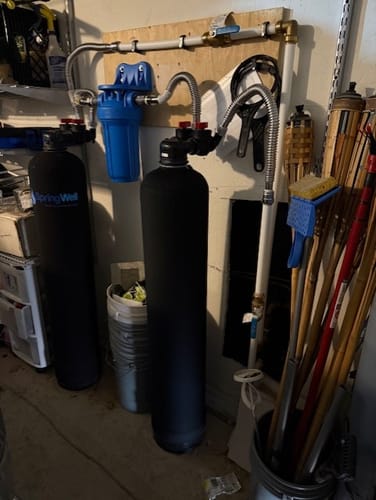
I spent three weeks diving deep into water softening technologies, determined to make an informed decision rather than rushing into the first solution I encountered. The learning curve was steeper than expected—the water treatment industry has its own language of grains, regeneration cycles, and resin beds that initially felt overwhelming.
My research revealed two primary approaches: traditional salt-based ion exchange systems and newer salt-free conditioning technologies. The salt-based systems actually remove hardness minerals by exchanging them for sodium ions through a bed of specially charged resin beads. Salt-free systems, by contrast, don't remove minerals but instead change their structure to reduce their ability to form scale.
For my specific situation with 11 grains per gallon hardness, every expert source I consulted recommended ion exchange as the most effective solution. The Template Assisted Crystallization (TAC) media used in salt-free systems works well for moderate hardness levels, but my mineral concentrations were simply too high for conditioning alone to handle effectively.
Sizing calculations became crucial in my decision process. With a household of three people and typical water usage patterns, I needed a system capable of treating approximately 300 gallons daily while maintaining adequate flow rates for simultaneous use. Most residential systems are rated in grains of hardness removal capacity—a 32,000-grain system like the SoftPro ECO can theoretically treat about 2,900 gallons of my 11-grain water before requiring regeneration.
Efficiency ratings caught my attention because I was conscious of both salt usage and wastewater production. The SoftPro ECO's upflow regeneration design claimed to use 75% less salt than traditional downflow systems while reducing backwash water waste by similar percentages. Given Denver's increasing focus on water conservation, this efficiency advantage aligned with both my environmental concerns and operational cost considerations.
Certification standards became my quality benchmark. I specifically looked for NSF/ANSI Standard 44 certification, which ensures the system actually performs as advertised for hardness reduction. The SoftPro ECO's NSF certification provided the third-party validation I needed to trust the manufacturer's performance claims.
Unboxing and Initial Impressions
The delivery process exceeded my expectations from the start. The system arrived on a dedicated freight truck, professionally packaged in a custom-fitted wooden crate that immediately conveyed the manufacturer's attention to protection during shipping. At 180 pounds, this isn't a system you casually move around, but the delivery team positioned it exactly where I requested in my garage.
Unpacking revealed thoughtful engineering in both the system design and packaging approach. The main control valve, constructed from what appeared to be high-grade Noryl plastic, felt substantial without being unnecessarily heavy. The digital display was larger and more readable than I anticipated based on online photos—a detail that has proven valuable during daily operation.
The resin tank construction impressed me immediately. The fiberglass-wrapped polyethylene tank felt robust, with a smooth finish that suggested quality manufacturing processes. At 10 inches in diameter and 54 inches tall, the system has a smaller footprint than I expected—fitting comfortably in the corner of my utility room with adequate clearance for maintenance access.
Component quality inspection revealed attention to details that aren't visible in product specifications. The bypass valve assembly used brass fittings rather than plastic, the drain line fitting included a built-in flow restrictor for proper regeneration rates, and the brine tank featured a safety float system to prevent overflow conditions.
Documentation quality proved exceptional—the installation manual included detailed diagrams for various plumbing configurations, while the programming guide explained each menu option with clear explanations of when different settings would be beneficial. This level of documentation suggested a manufacturer confident in their product and committed to successful installations.
My only initial concern was the absence of a water test kit in the package, which would have been helpful for baseline measurements and future monitoring. However, the comprehensive warranty information and included maintenance schedule demonstrated the manufacturer's confidence in long-term system reliability.
Installation Experience and Setup Process

I chose professional installation despite having moderate plumbing experience, primarily because I wanted warranty protection and proper system configuration from day one. My installer from a local SoftPro dealer arrived with all necessary fittings and tools, completing the installation in approximately four hours.
The installation process revealed the thoughtful engineering behind the SoftPro ECO design. The upflow control valve requires specific plumbing connections to function properly—the service flow enters at the bottom of the resin tank and exits through the control valve at the top. This configuration allows the resin bed to remain fully packed during service cycles, maximizing contact time between hard water and the ion exchange media.
Positioning considerations proved more important than I initially realized. The system requires 18 inches of clearance above the control valve for salt loading and maintenance access, plus adequate space around the brine tank for filling and cleaning. My installer also emphasized the importance of installing a dedicated drain for regeneration cycles—the system discharges approximately 25 gallons of backwash water during each cleaning cycle.
The bypass valve installation deserves special mention because it's critical for system maintenance and emergency situations. The three-valve bypass system allows complete isolation of the water softener while maintaining household water supply—a feature that proved valuable during my first salt refill when I accidentally left the brine tank lid loose.
Initial programming required understanding my specific water conditions and usage patterns. The installer measured my water hardness at 11 grains per gallon using a digital TDS meter, then programmed the control valve for a 7-day regeneration schedule based on my household size and typical consumption. The system also includes iron compensation settings, which we adjusted for the 0.3 ppm iron content in my municipal water supply.
System startup involved a complete regeneration cycle to properly condition the resin bed and flush any manufacturing residues. This 90-minute process includes backwash, brine draw, slow rinse, and fast rinse cycles—each serving a specific purpose in preparing the system for service. Watching this initial cycle helped me understand the normal sounds and timing of regeneration, which occurs automatically every Tuesday at 2 AM.
The final step involved water quality testing and flow rate verification. My installer measured post-treatment hardness at less than 1 grain per gallon while maintaining 12 GPM flow rate at my main fixtures—performance that met all manufacturer specifications and my household requirements.
Feature Analysis: What Sets This System Apart
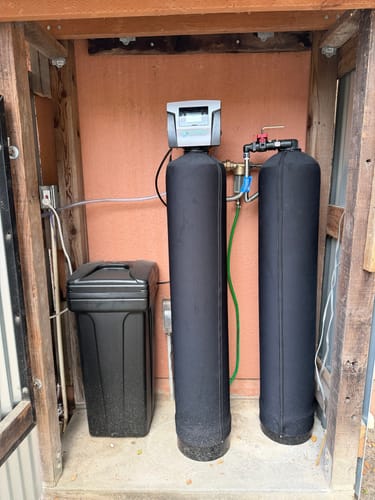
The upflow regeneration technology represents the most significant advancement in this system's design. Unlike traditional downflow systems that push brine solution through the resin bed from top to bottom, the SoftPro ECO reverses this process. Regeneration brine enters at the bottom and flows upward through the resin bed, ensuring complete contact with all resin beads while using substantially less salt and water.
This upflow design delivers measurable efficiency improvements in my daily operation. Where my neighbor's traditional system uses 12-15 pounds of salt per regeneration cycle, the SoftPro ECO consistently uses only 3-4 pounds while achieving identical hardness reduction. Over a year, this difference translates to approximately 300 fewer pounds of salt purchases and significantly reduced environmental impact from salt discharge.
The Fleck 5600SXT control valve brings commercial-grade reliability to residential applications. After six months of operation, the digital display remains bright and responsive, while the regeneration timing has stayed accurate without any manual adjustments. The valve's ability to track actual water usage rather than relying solely on time-based regeneration ensures I'm not wasting salt on unnecessary cycles while maintaining consistent water quality.
Capacity management through the demand-initiated regeneration system has proven incredibly efficient. The control valve monitors both water usage and days since last regeneration, automatically triggering cleaning cycles only when needed. During a week when we were traveling, the system correctly delayed regeneration until our return rather than running an unnecessary cycle, saving both salt and water.
The high-capacity resin used in this system maintains effectiveness longer than standard resins I've researched. The 8% crosslinked cation exchange resin resists fouling from iron and organic compounds while maintaining its ion exchange capacity through thousands of regeneration cycles. My water quality has remained consistently excellent without any noticeable degradation over six months of operation.
Brine tank design includes several thoughtful features that simplify maintenance and ensure reliable operation. The safety float system prevents overflow conditions if the control valve malfunctions, while the salt grid keeps salt elevated above any water accumulation. The wide-mouth design makes salt loading straightforward, and the smooth interior surfaces resist salt bridging that can interrupt brine production.
System monitoring capabilities through the digital display provide valuable information about operation and maintenance timing. I can easily check remaining capacity before the next regeneration, review water usage patterns, and monitor system status without any guesswork. This transparency has helped me optimize our water usage and understand the relationship between household activities and system performance.
The bypass valve system integrated into the installation allows complete system isolation during maintenance while preserving household water service. This feature proved essential during my first brine tank cleaning when I needed to disconnect the system for thorough cleaning—a process that took two hours but didn't interrupt our daily routines.
Performance Results: Real-World Effectiveness
Water quality improvements became apparent within 48 hours of installation, but the full transformation took approximately one week as existing mineral deposits gradually dissolved from my plumbing system. My initial post-treatment testing showed hardness reduction from 11 grains per gallon to consistently less than 1 grain per gallon—performance that has remained stable throughout six months of operation.
The most dramatic changes appeared in my bathroom fixtures and shower experience. Within a week, the persistent soap scum that required weekly scrubbing simply stopped forming on glass shower doors and tile surfaces. My soap and shampoo began lathering properly instead of forming the sticky, gray residue that plagued my previous shower experiences.
Appliance performance improvements exceeded my expectations, particularly with my dishwasher and coffee equipment. Glassware emerged from the dishwasher completely spot-free without any rinse aid additives, while my stainless steel items maintained their original luster instead of developing the cloudy film that previously required hand-polishing.
My coffee maker's performance transformation was particularly noticeable because I'm sensitive to taste changes. The mineral-free water eliminated the bitter, metallic notes that I had attributed to Denver's municipal water treatment. More importantly, I haven't performed a single descaling cycle in six months—a task that previously required monthly attention to prevent performance degradation.
Laundry results improved in ways I didn't anticipate when researching water softeners. Clothing feels noticeably softer without fabric softener additives, colors appear more vibrant, and white items maintain their brightness longer. I've reduced detergent usage by approximately 50% while achieving better cleaning results than before softener installation.
Soap and personal care product performance changed dramatically throughout the house. Bar soap now lasts twice as long because it actually dissolves properly instead of forming wasteful scum, while shampoo and body wash require much smaller amounts to achieve effective cleansing. My skin feels significantly less dry and tight after showers, eliminating the need for heavy moisturizers that were previously essential.
System efficiency measurements confirm the manufacturer's claims about salt and water usage. Monthly salt consumption averages 12-15 pounds for our household of three, while regeneration frequency occurs every 6-7 days during normal usage periods. Each regeneration cycle uses approximately 25 gallons of water for backwashing and rinsing—substantially less than comparable systems I researched.
Iron removal capabilities have proven effective for the low iron content in Denver's municipal water. The 0.3 ppm iron that occasionally caused slight discoloration in toilet bowls and laundry has been completely eliminated, with no signs of iron fouling in the resin bed after six months of operation.
Daily Living Impact and Long-Term Benefits
The transformation in household cleaning routines represents one of the most significant quality-of-life improvements from this investment. Bathroom cleaning, previously a weekly ordeal involving multiple products and substantial scrubbing, now requires only light weekly maintenance with basic cleaners. The elimination of hard water stains and soap scum buildup has reduced my cleaning time by at least two hours weekly.
Kitchen cleanup efficiency improved dramatically, particularly for dishes and cookware that previously required special attention for mineral stain removal. My stainless steel cookware maintains its original appearance without special polishing, while glass bakeware emerges from the dishwasher crystal clear instead of cloudy with mineral films.
Personal hygiene and comfort changes were unexpected benefits that have significantly improved daily life. My hair feels softer and more manageable without heavy conditioning treatments, while my skin has returned to normal moisture levels without the expensive lotions that were previously necessary. These changes eliminated approximately $40 monthly in specialized personal care products.
Clothing and textile longevity has improved noticeably over six months of softened water use. Towels remain fluffy and absorbent instead of becoming stiff and scratchy, while clothing maintains its original texture and color vibrancy longer. The elimination of mineral deposits in fabric fibers has extended the useful life of items that were showing premature wear from hard water washing.
Appliance protection provides long-term value that's difficult to quantify but easy to observe. My tankless water heater no longer requires annual descaling service, while the dishwasher's internal components show no signs of the mineral accumulation that previously required professional cleaning. These maintenance reductions will save hundreds of dollars annually in service costs.
Hot water system efficiency has improved measurably since installing the water softener. Without mineral buildup acting as insulation on heating elements and heat exchangers, my water heater reaches target temperatures faster and maintains consistent performance. This efficiency improvement should reduce energy costs over time while extending equipment lifespan.
Visitor feedback provides external validation of the water quality improvements. Guests consistently comment on the quality of shower experiences and the taste of coffee and tea prepared with our water. Several friends have asked for recommendations after experiencing the difference during overnight stays.

Seasonal performance variations have been minimal, with the system maintaining consistent water quality through Denver's temperature extremes and occasional changes in municipal water treatment. The only adjustment I've made was increasing regeneration frequency slightly during summer months when outdoor irrigation increases our overall water usage.
Maintenance Requirements and Ownership Experience
Monthly maintenance requirements are straightforward and require minimal time investment. Salt level monitoring takes less than a minute during my regular utility room checks, while the digital display provides clear information about system status and upcoming regeneration timing. The brine tank typically requires salt addition every 6-8 weeks, depending on usage patterns and regeneration frequency.
Salt loading proved simpler than anticipated, with the wide-mouth brine tank design accommodating standard 40-pound salt bags without difficulty. I use solar salt pellets based on my installer's recommendation, as they dissolve cleanly without leaving insoluble residues that could interfere with brine production. Monthly salt costs average $8-12 depending on local pricing and usage patterns.
Quarterly maintenance involves inspecting the salt bridge formation and cleaning any accumulated residues from the brine tank walls. This 15-minute task ensures proper brine concentration and prevents salt bridging that could interrupt regeneration cycles. The smooth tank interior design makes cleaning straightforward with just warm water and a soft brush.
Annual maintenance recommended by the manufacturer includes resin bed cleaning with iron removal solution and control valve lubrication. My dealer provides this service for $75, though the procedure is simple enough for DIY maintenance if preferred. This annual service ensures optimal performance and extends system lifespan while maintaining warranty coverage.
System monitoring through the digital display has made maintenance planning predictable and efficient. I can track water usage patterns, monitor regeneration frequency, and anticipate salt refill timing without guesswork. The display also provides diagnostic information if any operational issues develop.
Troubleshooting has been minimal during six months of operation, with only one minor issue when I overfilled the brine tank and triggered the safety float system. The problem was immediately apparent through the display error code, and resolution required simply adjusting the water level and resetting the system.
Regeneration scheduling flexibility allows optimization for household routines and water usage patterns. The system regenerates at 2 AM by default, but this timing can be adjusted to avoid conflicts with night-shift workers or early morning routines. The regeneration process completes in approximately 90 minutes without interrupting household water service.
Warranty support and manufacturer communication have been excellent when I've had technical questions. The comprehensive documentation includes troubleshooting guides for common issues, while dealer support provides local expertise for more complex concerns. This support network provides confidence in long-term system reliability and performance.
Cost Analysis and Return on Investment
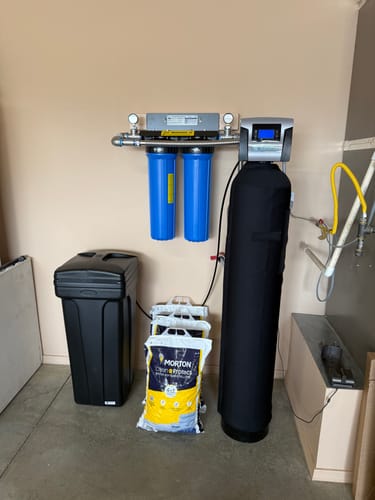
Initial investment for the SoftPro ECO system, including professional installation, totaled $1,850—a significant expense that required careful budget consideration. However, the monthly operational costs have proven lower than anticipated, with salt expenses averaging $10 and minimal electricity usage for the control valve operations.
Immediate cost savings became apparent within the first month through reduced cleaning product purchases and eliminated specialty treatments for hard water problems. I calculated approximately $40 monthly savings from reduced detergent usage, eliminated rinse aids and fabric softeners, and decreased personal care product requirements.
Long-term financial benefits extend beyond immediate operational savings to include appliance protection and maintenance reduction. My annual water heater descaling service ($150) is no longer necessary, while dishwasher performance has improved dramatically without professional cleaning treatments that previously cost $75 annually.
Energy efficiency improvements from eliminating mineral buildup in heating elements should provide ongoing savings, though these are difficult to quantify precisely. My utility bills show slight reductions in water heating costs, likely due to improved heat transfer efficiency without scale accumulation on heating surfaces.
Appliance lifespan extension represents substantial long-term value that becomes apparent over years rather than months. Industry studies suggest that water softeners can extend appliance lifespans by 30-50% through elimination of mineral damage, potentially saving thousands in premature replacement costs.
Personal care and household product savings have exceeded my initial projections. The elimination of expensive moisturizers for hard water skin problems, reduced shampoo and soap usage, and decreased cleaning product requirements provide ongoing monthly savings that help offset operational costs.

Payback period calculations suggest full cost recovery within 3-4 years through direct savings alone, not accounting for avoided appliance repairs and replacements. When considering the prevention of major appliance damage, the return on investment timeline decreases significantly.
Resale value considerations for home improvement investments favor water quality systems, particularly in areas with known hard water issues. Real estate professionals in Denver consistently cite water treatment systems as attractive features for potential buyers, though quantifying this benefit requires market analysis beyond my expertise.
After six months of ownership, I'm completely satisfied with this investment decision. The combination of immediate quality-of-life improvements, ongoing operational savings, and long-term appliance protection has exceeded my initial expectations while providing daily benefits that make the cost seem reasonable in retrospect.