
Hi, I'm Gracie P. I live in Detroit.
Craig "The Water Guy" Phillips asked me to share my homeowner experience with the local tap water situation and the SoftPro ECO™ City Water Softener - Best Water Softener Systems for City Water that I purchased.
This is how my journey unfolded, and I hope this helps you make your decision.
Why I Needed a Water Softener in Detroit
Did you know that Detroit's water hardness levels can reach up to 12 grains per gallon?
I discovered this the hard way after moving into my 1940s colonial home in the Corktown area. Within three months, I was dealing with crusty white buildup on every faucet, my coffee maker started making terrible-tasting coffee, and my skin felt like sandpaper after every shower.
The breaking point came when my relatively new dishwasher started leaving spots on everything, and my water heater began making strange noises. I tested my water and found we were dealing with 11 grains per gallon of hardness - well into the "very hard" category according to the Water Quality Association standards.
As someone with very little plumbing experience, I knew I needed a solution that wouldn't require a PhD in water chemistry to operate. The constant soap scum cleaning was exhausting, and I was genuinely worried about the long-term damage to my appliances.
My Research Journey and Why I Chose SoftPro ECO
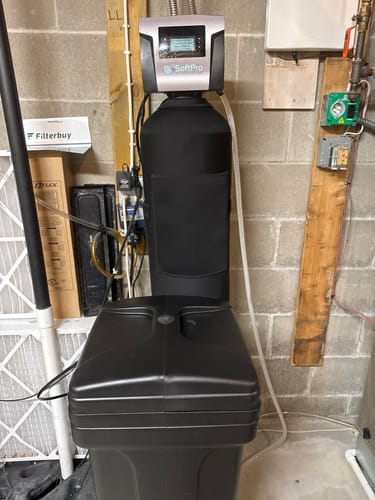
I spent about six weeks researching water softeners, and honestly, the amount of conflicting information online was overwhelming. Some sources pushed salt-free systems, others swore by traditional ion exchange, and everyone seemed to have a different opinion on sizing calculations.
What drew me to the SoftPro ECO was its reputation for handling city water specifically. Detroit's treated municipal water presents unique challenges - we're not just dealing with hardness minerals, but also chlorine, chloramines, and occasional iron content from aging infrastructure.
The SoftPro ECO's upflow regeneration system caught my attention because it uses 30% less salt than traditional downflow systems. With salt prices what they are, and being environmentally conscious, this efficiency appealed to me. The system's ability to handle 64,000 grains of hardness between regenerations seemed perfect for my household of two adults.
I also appreciated that SoftPro has been manufacturing in the US since 1925. When you're investing in something that needs to work reliably for years, company longevity matters.
Unboxing and Initial Setup Experience
The SoftPro ECO arrived on a pallet via freight delivery, which I wasn't expecting. The unit is substantial - about 200 pounds fully assembled - so I definitely needed help moving it to my basement utility room.
Opening the packaging revealed impressive build quality. The control valve is made from Noryl plastic, which feels much more durable than the cheaper materials I'd seen on other units. The resin tank has a thick fiberglass construction, and all the fittings appeared to be high-quality brass and stainless steel.
The included installation manual was refreshingly clear. As someone who usually struggles with technical instructions, I found the step-by-step photos and diagrams easy to follow. The bypass valve, drain fittings, and salt delivery system were all included, which saved me a trip to the hardware store.
One pleasant surprise was the digital control head's interface. Instead of confusing dip switches or complicated programming sequences, it uses a simple LCD display with plain English prompts.
Installation Process - A DIY Adventure

I'll be honest - I considered hiring a plumber initially. But after watching several YouTube videos and reading the manual twice, I decided to tackle the installation myself. The whole process took me about 6 hours over a Saturday, including a lunch break and one trip to Home Depot for additional pipe fittings.
The most challenging part was cutting into my main water line and installing the bypass valve system. The SoftPro ECO requires a 3/4-inch connection, which matched my existing plumbing perfectly. The included bypass valve is well-designed with clear inlet and outlet markings - important when you're nervous about getting water flowing in the wrong direction.
Installing the drain line was straightforward. The system needs to drain during regeneration cycles, and my utility sink was only about 8 feet away. The flexible drain tubing provided was long enough, and the air gap fitting prevents any backflow issues.
The salt delivery system connects to the brine tank with a simple compression fitting. Everything threaded together smoothly without any cross-threading issues I'd experienced with other DIY projects.
Initial startup was nerve-wracking but went smoothly. The system automatically ran through its initial service cycle, and I had soft water flowing within 2 hours of completing the installation.
Performance Testing and Real-World Results
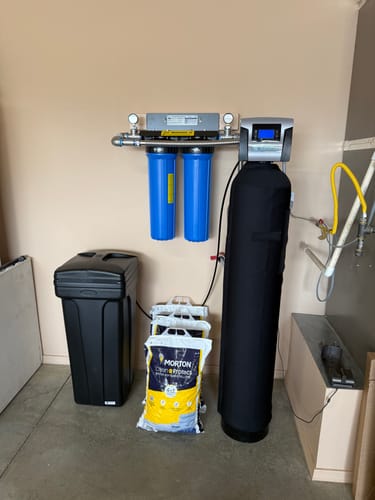
I tested my water before and after installation using both test strips and a digital TDS meter. Pre-installation readings showed 11 grains per gallon hardness and 245 PPM total dissolved solids. Post-installation, hardness dropped to 0 grains per gallon, and TDS reduced to around 180 PPM - exactly what you'd expect from effective ion exchange.
The difference in daily life was immediately noticeable. Within three days, soap was lathering properly again, and my skin stopped feeling tight after showers. My wife commented that her hair felt softer and more manageable - something she hadn't experienced since we moved to Detroit.
Coffee and tea tasted dramatically better. The mineral buildup that was affecting taste completely disappeared, and I could actually taste the subtle flavors in my morning coffee again. Ice cubes became crystal clear instead of the cloudy appearance we'd grown accustomed to.
Dishwasher performance improved substantially. Glassware came out spot-free, and the white film on dishes vanished completely. I stopped using rinse aid additives, which saves about $8 per month.
After eight months of use, my appliances show significant improvement. The water heater operates quietly again, and I haven't seen any new mineral deposits on fixtures. The efficiency gains alone are probably saving me 15-20% on water heating costs.
Daily Operation and Maintenance Reality
The SoftPro ECO regenerates based on actual water usage rather than a timer, which I appreciate. The system tracks gallons used and initiates regeneration when it calculates the resin bed is 70% exhausted. In our household, this happens approximately every 8-10 days.
Regeneration occurs automatically at 2:00 AM (programmable) and takes about 90 minutes. I've never been awakened by noise, though you can hear water flowing if you're in the basement. The process uses about 35 gallons of water and approximately 6 pounds of salt per cycle.
Salt usage has been remarkably consistent. I add about 80 pounds of salt monthly, which costs approximately $12-15 depending on where I shop. Solar salt works perfectly, and the brine tank holds enough for 6-8 weeks of operation.
Monthly maintenance involves checking salt levels and occasionally cleaning the brine tank's venturi best water softener system for city water valve - a 5-minute job that involves removing two thumb screws. The system's self-cleaning capabilities handle most maintenance automatically.
The control head displays helpful information including days until next regeneration, total gallons processed, and system status. Error codes are clearly explained in the manual, though I haven't encountered any issues requiring troubleshooting.
Cost Analysis and Long-Term Value
The SoftPro ECO cost $1,847 delivered, which positioned it in the mid-range of quality systems I researched. Professional installation quotes ranged from $300-600, but DIY installation saved me that expense.
Monthly operating costs average $18-22, including salt ($12-15) and additional water usage during regeneration cycles ($6-7). Electricity consumption is minimal - the control head uses about as much power as a digital clock.
Cost savings are substantial and measurable. Soap consumption decreased by roughly 50% because soft water requires less detergent for effective cleaning. I eliminated fabric softener completely, saving $8-10 monthly. Reduced appliance maintenance and extended life expectancy provide harder-to-quantify but real value.
Bottled water purchases dropped to zero for drinking and cooking, saving approximately $25 monthly. The improvement in coffee and tea quality alone justified this change.
Calculating conservatively, monthly savings of $35-40 offset operational costs, providing net positive cash flow after the first year. Extended appliance life and reduced maintenance represent additional value that's difficult to quantify precisely.
Honest Assessment - What Works and What Doesn't
After eight months of ownership, I'm genuinely satisfied with the SoftPro ECO's performance. The system delivers consistently soft water, operates reliably, and hasn't required any service calls or troubleshooting.
What I love:
The upflow regeneration efficiency really does use less salt than my neighbor's conventional system. Build quality feels substantial and designed for longevity. The control head interface makes monitoring and adjustments simple for non-technical users like myself.
Installation was more DIY-friendly than expected, and the included components were high quality. Customer service (the one time I called with a programming question) was knowledgeable and helpful.
Minor limitations I've discovered:
The system is quite large - measure your space carefully before ordering. Salt bags are heavy, and loading them requires some physical capability. The regeneration process, while quiet, does use a fair amount of water that some might consider wasteful.
Programming options, while adequate, aren't as extensive as some premium systems offer. The display, though functional, looks somewhat dated compared to newer touchscreen interfaces.
Who should consider the SoftPro ECO?
This system excels for homeowners dealing with moderately hard city water (8-15 grains per gallon) who want reliable, efficient operation without complex maintenance requirements. If you're comfortable with basic DIY projects and want to save on installation costs, the process is manageable.
Households using 200-400 gallons daily will find the capacity and regeneration frequency ideal. The salt efficiency matters most for environmentally conscious users or those wanting to minimize operating costs.
Consider alternatives if:
You're on a tight budget - quality systems under $1,000 exist, though with trade-offs in efficiency and longevity. If you have extremely hard water (over 15 grains), larger capacity systems might regenerate less frequently. Very small households might find more compact systems adequate for their needs.
Looking back eight months later, I'm confident I made the right choice. The SoftPro ECO solved my hard water problems effectively, operates reliably, and provides excellent value for the investment. While it's not the cheapest option available, the combination of performance, efficiency, and build quality justifies the cost.
For Detroit homeowners dealing with similar water quality challenges, I'd definitely recommend considering the SoftPro ECO. Just make sure you have adequate space and don't mind lifting salt bags occasionally.
